Complete Guide to Using LONGMECH Roots Blowers
News 14.06.2022
As a positive displacement rotary fan, the three-blade Roots blower is widely used in various fields such as wastewater treatment, aquaculture, and grain conveying, due to its stable flow output and high pressure characteristics. Mastering the correct usage method can not only fully utilize the equipment’s performance but also extend its service life and reduce operating costs.
Precise selection, tailored to meet needs
Selection is the foundation for using a three-blade Roots blower. When selecting, it is necessary to clarify the required air volume and air pressure parameters, and consider working environment factors such as temperature, humidity, and medium cleanliness. If used for wastewater treatment, the appropriate air volume should be determined based on the size of the aeration tank and oxygen demand. When working in high-temperature environments, a fan made of high-temperature resistant materials should be selected. At the same time, attention should be paid to the fan’s speed and power to ensure that it matches the actual working conditions, avoiding long-term overload operation or low efficiency due to improper selection.
II. Standardize installation to lay the foundation
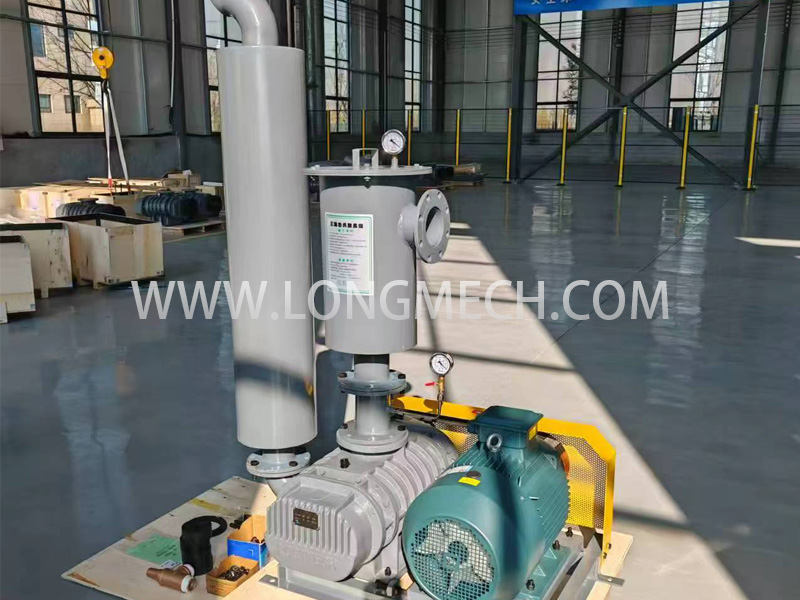
The standardization of the installation process directly affects the operational stability of the fan. Before installation, it is necessary to check whether the foundation plane is flat and stable, ensuring that the fan is installed on a horizontal plane. Strictly follow the instructions for pipeline connection to avoid stress on the fan due to pipeline stress. Installing inlet and outlet mufflers can reduce noise. After installation, carefully check whether the connections of various components are secure, manually rotate the rotor to check whether it rotates flexibly and whether there is any clamping or stagnation. Ensure that the installation is correct before conducting a trial run.
III. Scientific operation and safe running
Before starting the fan, fully open the inlet and outlet valves to prevent damage to the motor caused by starting the fan with load. After starting, gradually adjust the valve opening and observe the operating status of the fan, including parameters such as current, voltage, vibration, and noise. During operation, keep the working pressure and flow rate of the fan within the rated range and avoid frequent start-up and shutdown of the fan. When stopping the fan, first close the inlet and outlet valves, then stop the motor to prevent damage to the fan due to medium backflow. At the same time, it is strictly prohibited to carry out maintenance or adjustments while the fan is running to ensure the safety of operators.
IV. Regular maintenance to extend lifespan
Routine maintenance is crucial for ensuring the long-term stable operation of wind turbines. Regularly check the oil level and quality of lubricating oil, replenish or replace it in a timely manner to ensure that bearings, gears, and other components are well lubricated. Clean the air filter to prevent blockage that could affect air intake. Monitor the vibration and noise of the wind turbine, analyze the causes promptly if any abnormalities are detected, and take appropriate measures. Conduct comprehensive inspections and maintenance on the wind turbine regularly, including checking rotor clearance, belt tightness, etc., to ensure that all components of the wind turbine are in good working condition.
V. Troubleshooting and rapid response
Even with proper daily maintenance, fans may still experience malfunctions during operation. Common faults include insufficient air volume, excessive vibration, and abnormal noise. When there is insufficient air volume, it may be caused by pipeline leaks, clogged filters, worn rotors, or other reasons, which need to be investigated one by one. Excessive vibration may be related to unstable foundations, unbalanced rotors, damaged bearings, etc. Abnormal noise may be caused by poor gear meshing, damaged mufflers, etc. Familiarizing oneself with the causes and solutions of common faults can enable quick identification and resolution of problems when they occur, reducing downtime.