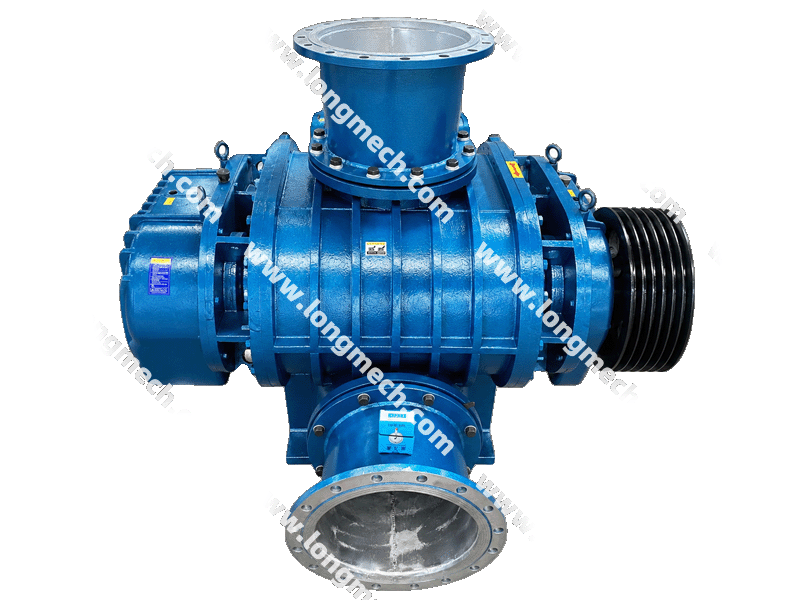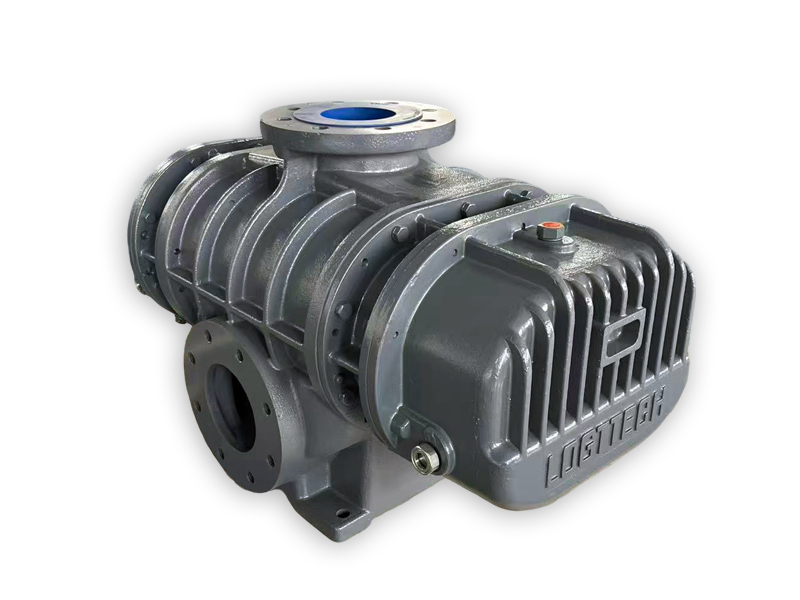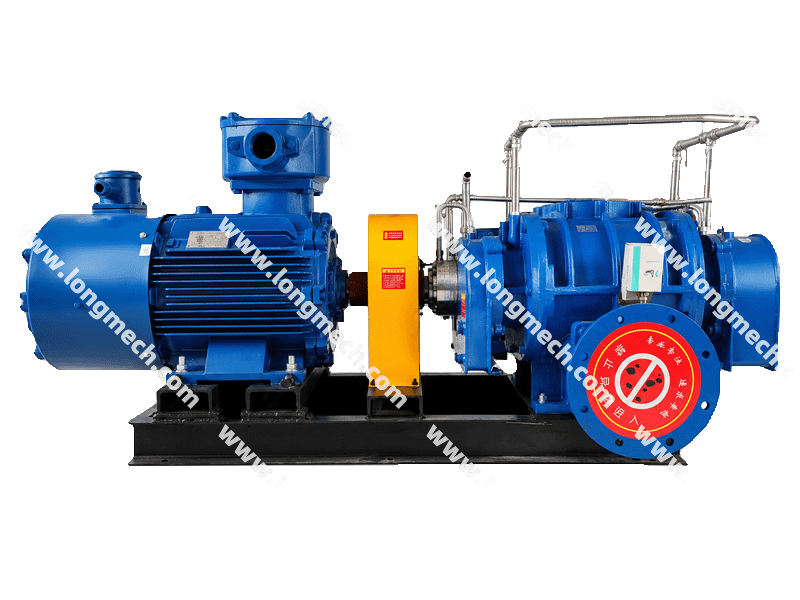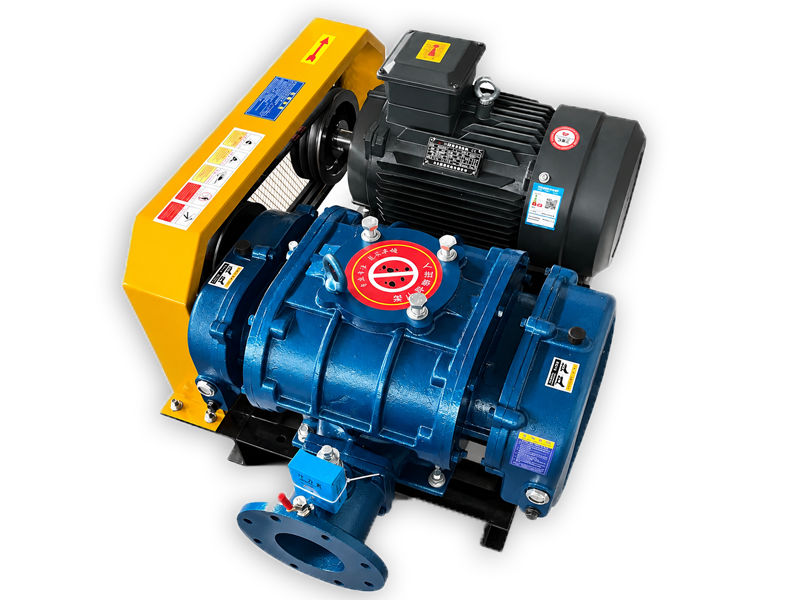
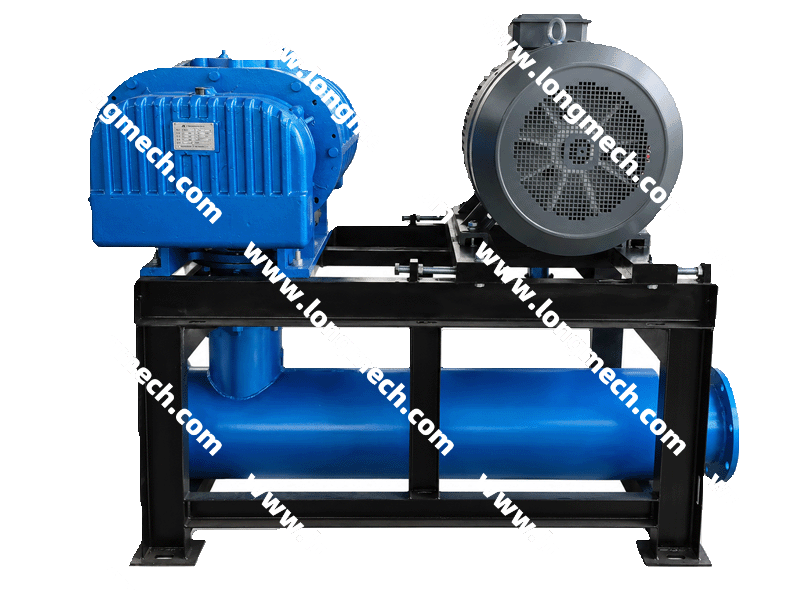
Intensive Roots blower
Manufacturer: Longmech Machinery CO.,LTD
Place of Origin: China
Product Name: Intensive Roots blower
Product Model: SR50-400
Pressure: Postive pressure and Vacuum
Feature: Small in size
specification: Contact us
Overall dimensions: Contact us
Applicable Industries: Pneumatic conveying, metallurgy, chemical industry, building materials, grain, food, medicine, paper making, printing, textile, environmental protection dust removal, garbage disposal, laboratory vacuum, tobacco, plastic, desulfurization and denitration, material adsorption, etc
Category:Roots blowers
Introduction
Intensive Roots Blower – Introduction
A compact Roots blower is a highly integrated, space‑optimized positive displacement blower. It combines the blower mainframe, motor, silencers, valves, instrumentation and other components on a unified base frame to form a complete, independent air supply unit. Its main advantages are compact size, quick installation and small footprint, making it ideal for space‑limited applications.
1. Core Structure & Features
- High integrationThe complete unit is pre‑assembled and tested at the factory, including the blower, motor, intake filter, silencers, relief valve, check valve, pressure gauge, flexible connectors and vibration isolators. Overall dimensions are typically 40%–50% smaller than conventional Roots blowers.
- Drives
- Direct drive (standard): High efficiency, no belt loss, low noise and maintenance‑free.
- Belt drive (optional): Lower cost, allows speed adjustment by changing pulleys.
- Main performance
- Adopts three‑lobed rotors for smooth airflow, low pulsation and low noise (around 75–85 dB).
- Oil‑free operation ensures clean gas delivery.
- Standard air cooling; water cooling is available for high‑pressure applications.
- Easy installationThe unit can be put into service simply by connecting piping and power. Complex on‑site alignment and foundation work are minimized.
2. Working Principle
As a positive displacement rotary blower:
- The motor drives a pair of three‑lobed rotors to rotate synchronously in opposite directions inside the casing.
- Closed working chambers are formed between the rotors and casing, drawing gas in at the inlet and discharging it under pressure at the outlet.
- Airflow is approximately proportional to speed; discharge pressure is determined by system backpressure.
3. Typical Technical Parameters
- Airflow range: approximately 0.45 ~ 100 m³/min
- Pressure rise: 9.8 ~ 98 kPa
- Suitable media: air, biogas, coal gas, sulfur dioxide and other neutral gases
4. Key Advantages
- Space saving: Ideal for narrow equipment rooms, containerized systems, workshops and mobile applications.
- Fast commissioning: Greatly reduces installation time and civil engineering costs.
- Reliable operation: Factory‑tested assembly ensures low vibration, low noise and high reliability.
- Simple maintenance: Only regular oil level checks and lubricant changes are needed.
- Clean and eco‑friendly: Oil‑free air delivery meets clean requirements in food, pharmaceutical and chemical industries.
5. Typical Applications
- Wastewater treatment: aeration for small and modular sewage treatment plants
- Environmental protection: desulfurization, denitrification and waste gas transportation
- Pneumatic conveying: powder and granular materials such as flour, cement and plastic pellets
- Aquaculture: oxygenation for intensive recirculating aquaculture systems
- Food and pharmaceutical industry: clean oil‑free process air supply
- Mobile applications: vehicle‑mounted or movable aeration and air supply units
6. Compact vs. Conventional Roots Blower
表格
| Feature | Compact Roots Blower | Conventional Roots Blower |
|---|---|---|
| Structure | Highly integrated, unified base frame | Separate main unit, motor and accessories |
| Footprint | Small | Large |
| Installation | Simple, ready for use | Complex on‑site assembly and alignment |
| Drive | Mainly direct drive, efficient and maintenance‑free | Belt or direct drive; belts require regular maintenance |
| Application | Space‑limited, modular and mobile stations | Large fixed stations with sufficient space |
7. Selection Guide
- Choose the compact type for limited space, quick installation and modular projects.
- Recommended for medium and low‑pressure applications with airflow ≤ 50 m³/min and pressure ≤ 98 kPa.
- For continuous operation and noise‑sensitive environments, direct drive with sound enclosure is preferred.